The Brasserie

At the heart of the brasserie stands a work by Belgian designer and architect Charles Kaisin, whose installation engages in dialogue with the architecture of the space and the energy of the dining room.

Known for creations where movement, architecture and poetry intersect, Charles Kaisin’s vision naturally aligns with the spirit of Auguste: a place where contemporary creation accompanies the art of hospitality.

Here, gastronomy is experienced as a celebration. The ingredients are respected, the techniques precise, the flavors bold. Each dish tells the story of a living tradition, balancing heritage and modernity. In this way, heritage and creation respond to one another. Ancient stone converses with a contemporary perspective.

At Brasserie Auguste, every table becomes a stage. Every encounter, a celebration.

More than a brasserie, Auguste is a place of belonging - for the people of Brussels, for travelers from around the world, and for all those seeking a table where elegance meets the joy of living. Brasserie Auguste was created to endure. To become part of the city’s memory and, over time, an iconic address in Brussels.

Image
12A grand place bruxelles
Image
auguste brasserie bruxelles grand place
Image
Grand place brussels belgium
Image
Grand place brussels belgium

The history of the building

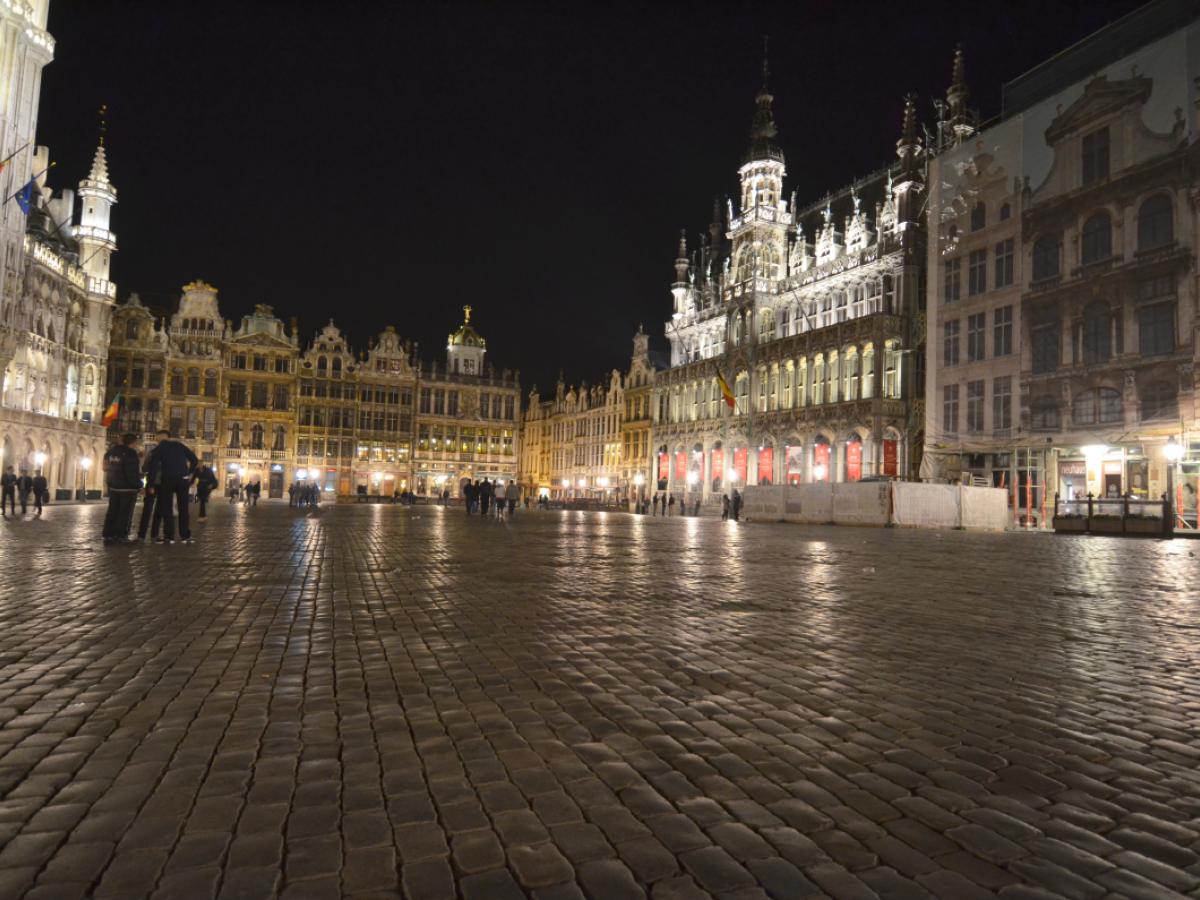
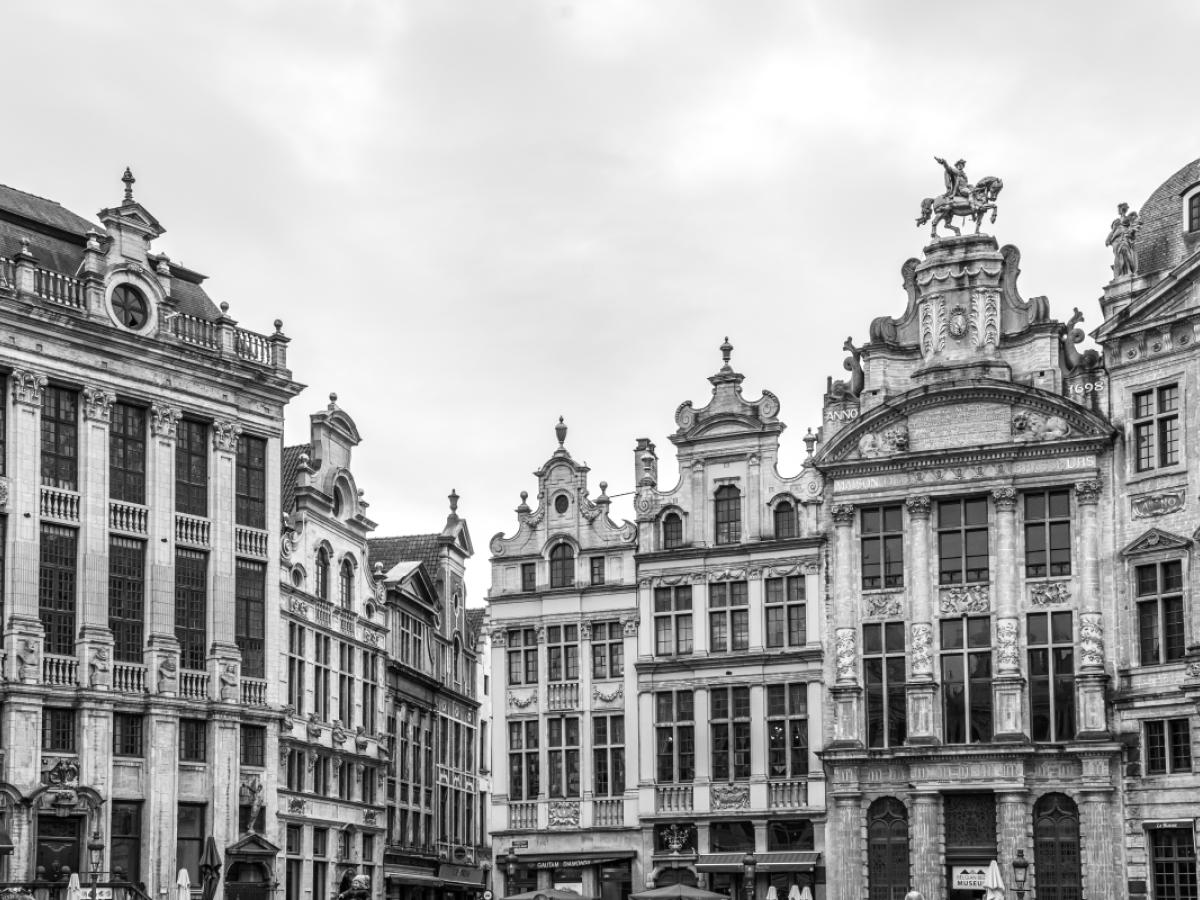
At the heart of the Grand-Place, Brussels, this place embodies the very essence of Brussels refinement, where every stone seems to bear the imprint of centuries past.

  • Image
    grand place middle ages
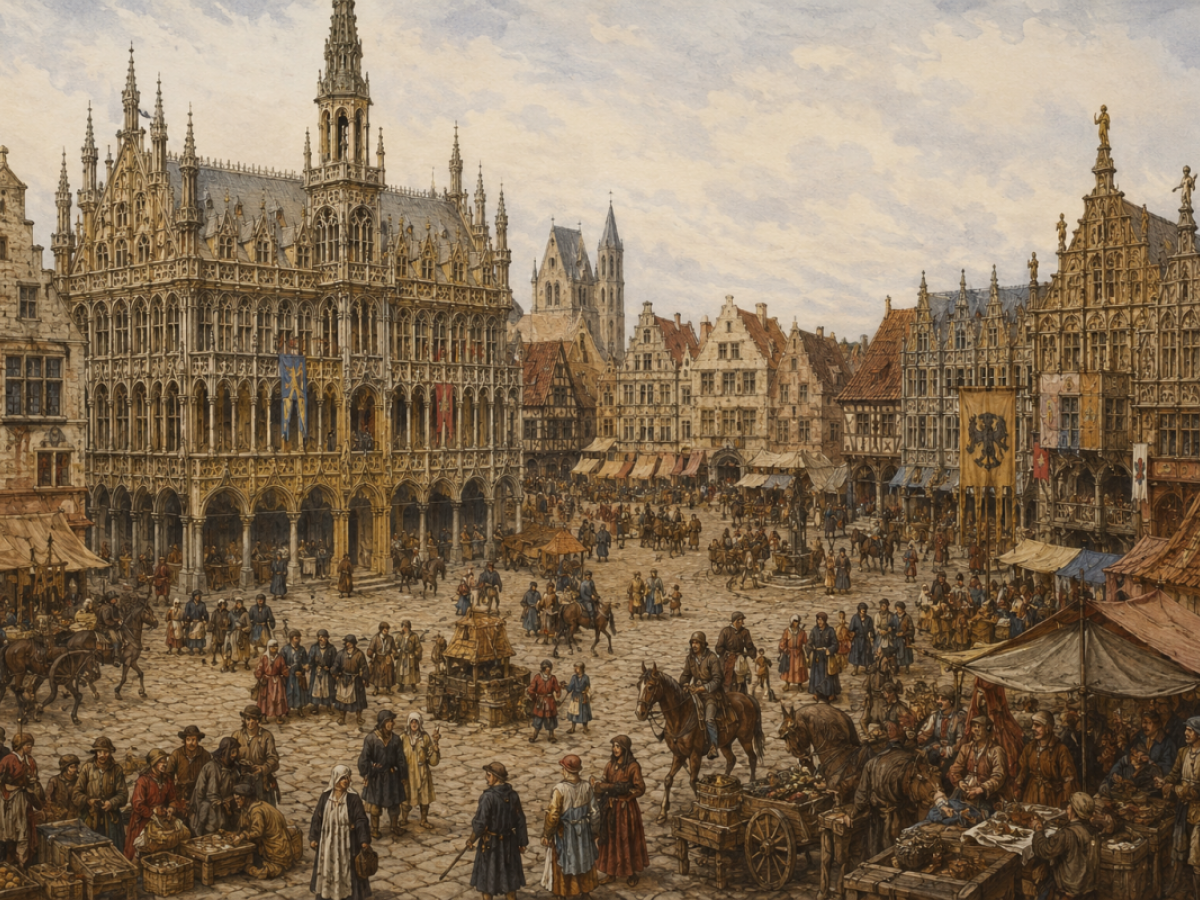
    Middle Ages

    Occupied since the Middle Ages, this prime location was, long before the current building existed, a vibrant stage for exchange, craftsmanship and influence. Exceptional merchants, renowned artisans and leading figures of European trade gathered here, shaping the vibrant soul of the city.

  • Image
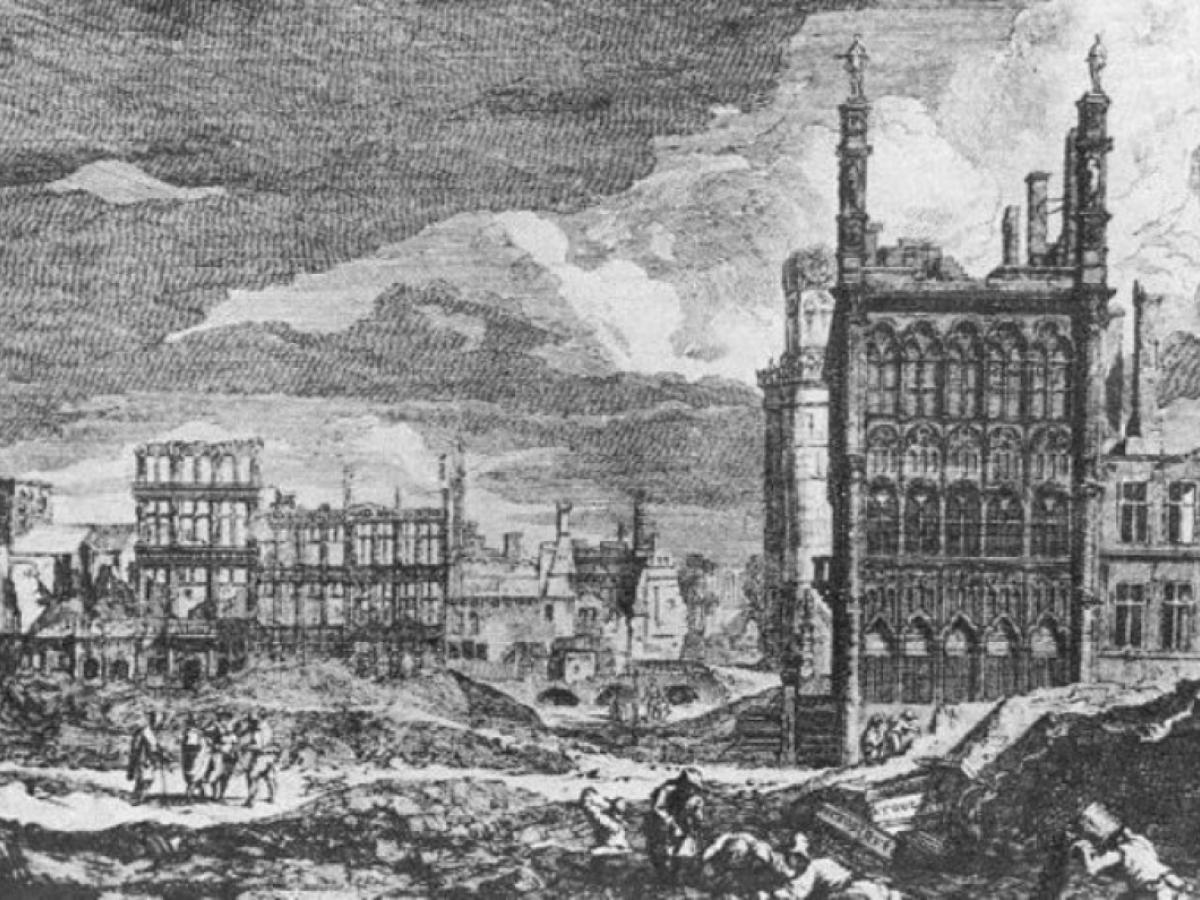
    1695 the Bombardment of Brussels
    1695 - the Bombardment of Brussels

    In 1695, the Bombardment of Brussels shattered this balance. From its ashes emerged a remarkable rebirth.

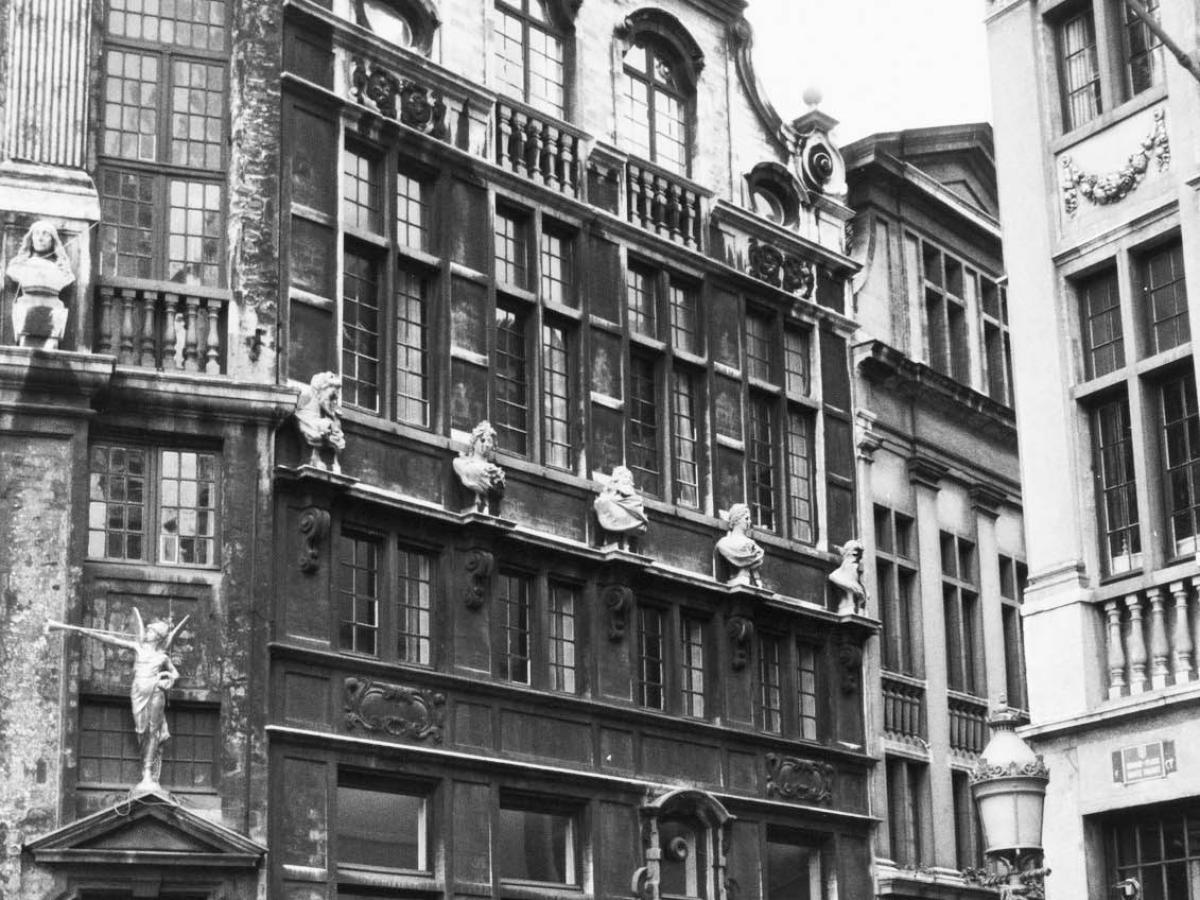
  • Image
    grand place 12A Brussels
    1699 - Reconstruction

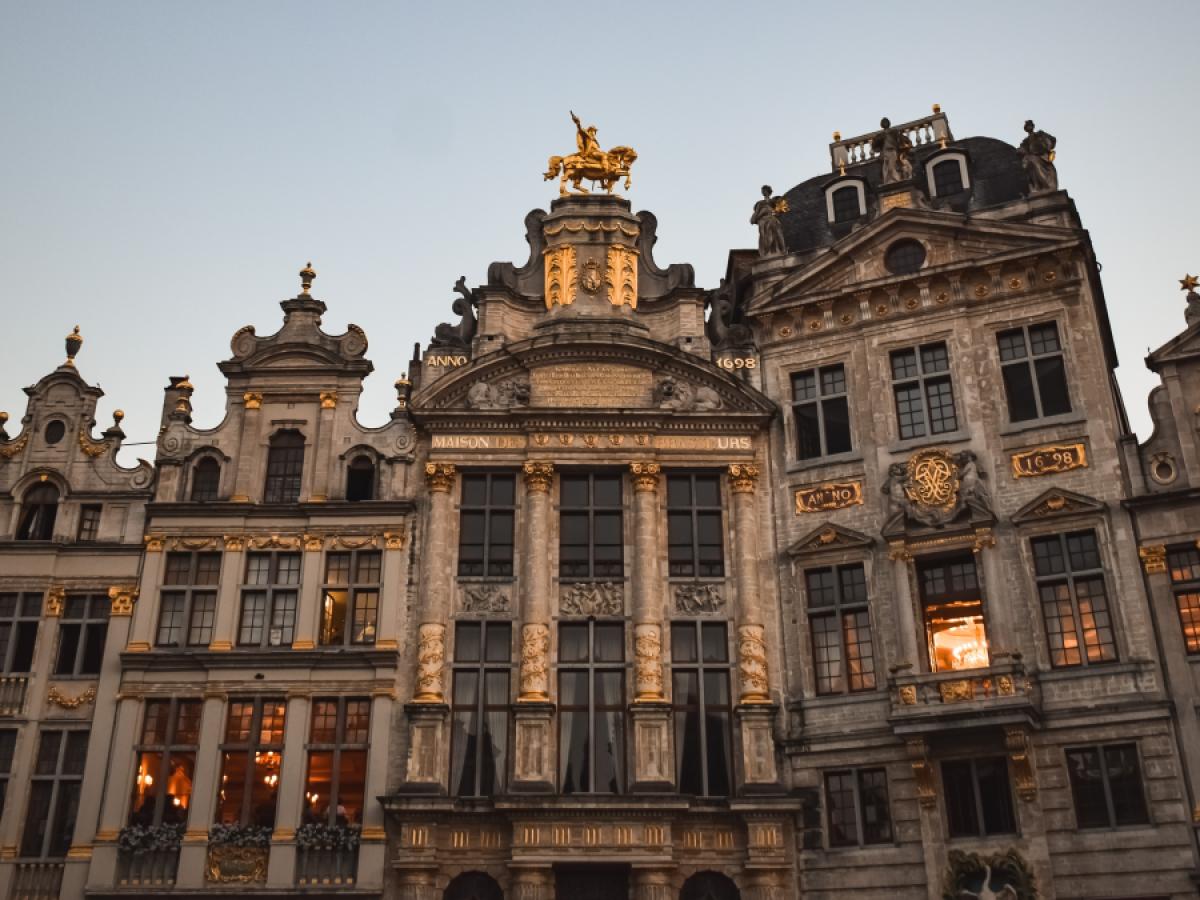
    In 1699, the building was reconstructed in a richly elegant Baroque style, reflecting Brussels’ renewed ambition and prestige. Known as the Maison du Roi de Bavière, it evokes the mythical figure of Gambrinus, a legendary sovereign and timeless symbol of the art of living and brewing tradition.

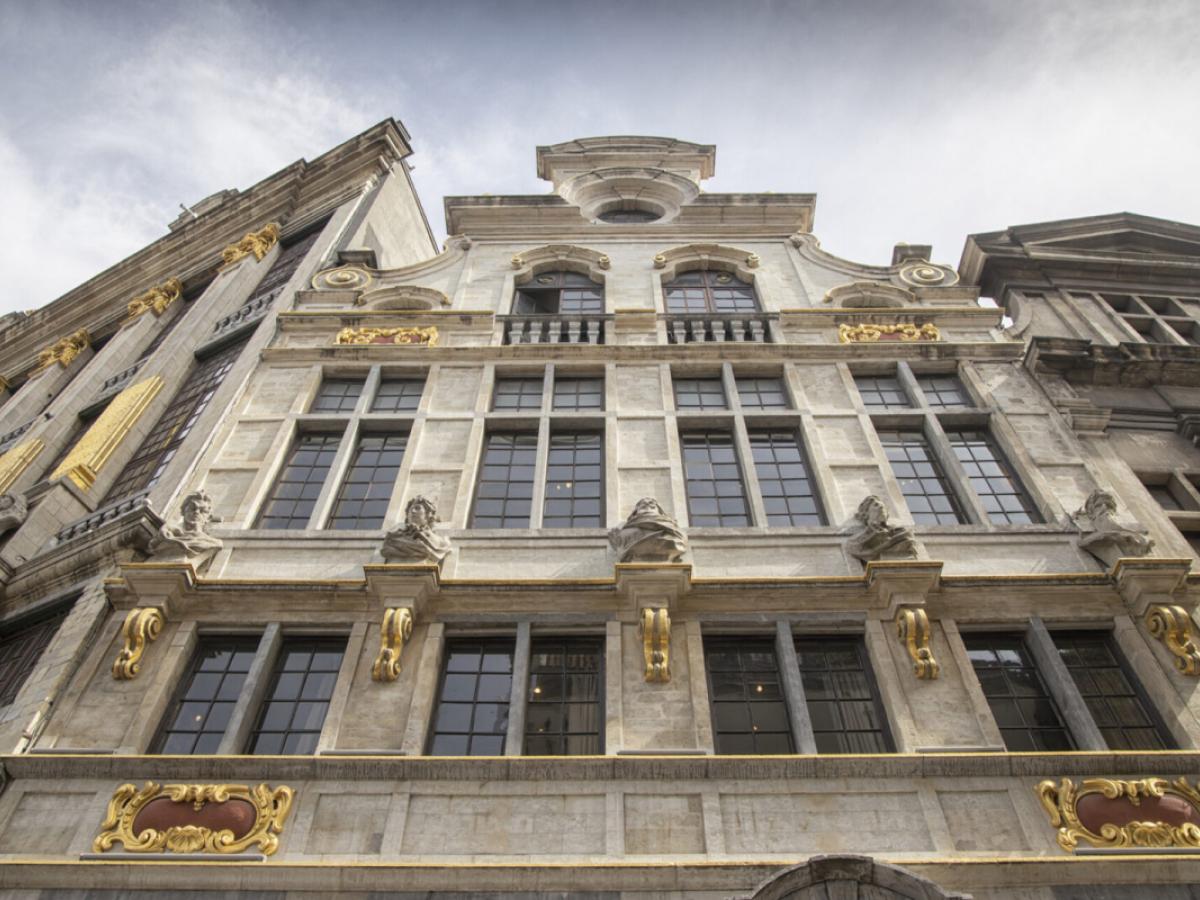
  • Image
    12A grand place bruxelles
    Today

    This exceptional place offers far more than an address: it offers an experience. One shaped by a subtle dialogue between history and modernity, where heritage reveals itself in all its splendor, in the heart of one of the most beautiful squares in the world.